

In Exploring the Factors Behind Low Female Labor Force Participation in Sri Lanka, Dileni Gunewardena examines the key factors affecting the persistently low rates of women’s participation in the country’s workforce. The report, commissioned by Asian Development Bank, combines an extensive review of literature with empirical analysis of national datasets and provides insights for policymakers, development partners, and civil society organizations.
Dileni Gunewardena is the Professor of Economics at the Department of Economics and Statistics, University of Peradeniya, Sri Lanka, and leads the Care Economies in Context Sri Lanka team.
Citation
Gunewardena, D. (2026). Exploring the Factors Behind Low Female Labor Force Participation in Sri Lanka. https://dx.doi.org/10.22617/TCS250510-2
Excerpt from Executive Summary
Sri Lanka’s female labor force participation (FLFP) rate was low during 1990−2023, ranging from over 35% in the 1990s, falling steadily in the 2000s, and stagnating below 35% for most of 2013−2023. In 2023, the FLFP fell to 32% just above the South Asian average (32%) for 2023 and well below the global average (49%). This limits the country’s potential for economic growth and inclusive development. Sri Lanka is seeking to overcome economic challenges and foster sustainable development through inclusive labor market and human development policies. Understanding the barriers to FLFP and what is needed to overcome them is therefore crucial to ensure these policies are gender-transformative, boosting women’s participation in the workforce.
This report examines the key factors influencing these persistently low rates of FLFP in Sri Lanka. It combines an extensive review of literature with empirical analysis from national datasets, offering insights for policymakers, donors (including multilateral development banks), researchers, employers (especially human resource departments in the state and corporate sector), and civil society organizations advocating for gender equality.
Project Lead
-
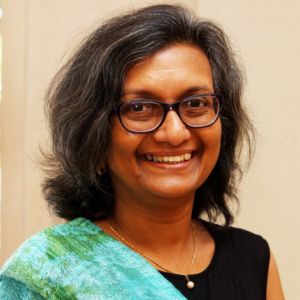
Dileni Gunewardena
Researcher
Collaborators
-
Sudarshana Jayasundara
-
Hasitha Wickremasinghe,
-
Ranmini Vithanagama